The core difference: a duct fan moves air through enclosed ductwork or tubing, while an exhaust fan pulls stale air out of a room and vents it outside. Duct fans are built for inline airflow distribution — pushing air along a path — whereas exhaust fans are terminal devices designed to expel air from a specific space. If you need to boost airflow through an HVAC duct or ventilate a grow tent, a duct fan is the right tool. If you need to remove humidity, odors, or heat from a bathroom, kitchen, or workshop, an exhaust fan is the answer. Portable metal blower fans occupy a third category — offering high-velocity, flexible airflow without permanent installation, making them ideal for job sites, garages, and temporary ventilation needs.
A duct fan — also called an inline duct fan or booster fan — is a cylindrical fan designed to fit inside or attach to ductwork. It draws air in from one end and pushes it out the other, boosting the velocity and volume of airflow along the duct's path. Most residential duct fans are rated between 100 and 800 CFM (cubic feet per minute), while commercial and industrial duct fans can exceed 2,000 CFM.
An exhaust fan is a ventilation device mounted at or near the air exit point of a room — typically in the ceiling, wall, or window — that actively pulls air out of the space and expels it outside. Unlike duct fans, which work mid-stream within a duct system, exhaust fans are the endpoint of the ventilation path.
The Home Ventilating Institute (HVI) recommends bathroom exhaust fans provide a minimum of 8 air changes per hour (ACH), which for a standard 100 sq ft bathroom with an 8-foot ceiling translates to a fan rated at approximately 110 CFM. Kitchen exhaust fans have different benchmarks — HVI recommends 40–200 CFM for residential range hoods depending on cooking intensity.
Understanding the differences across key parameters helps you select the right fan for your specific ventilation challenge.
| Feature | Duct Fan | Exhaust Fan |
|---|---|---|
| Installation position | Inside or inline with ductwork | At air exit point (ceiling/wall) |
| Primary function | Boost airflow through a duct | Remove air from a space |
| Typical CFM range | 100–2,000+ CFM | 50–1,500 CFM |
| Noise level | 25–55 dB (inline, muffled) | 25–65 dB (at room surface) |
| Requires ductwork | Yes — always | Usually (some ductless models) |
| Visibility | Hidden inside duct/ceiling | Visible grille at ceiling/wall |
| Best for | Airflow distribution, grow rooms, HVAC boosting | Bathrooms, kitchens, attics, garages |
| Typical price range | $30–$400+ | $20–$300+ |
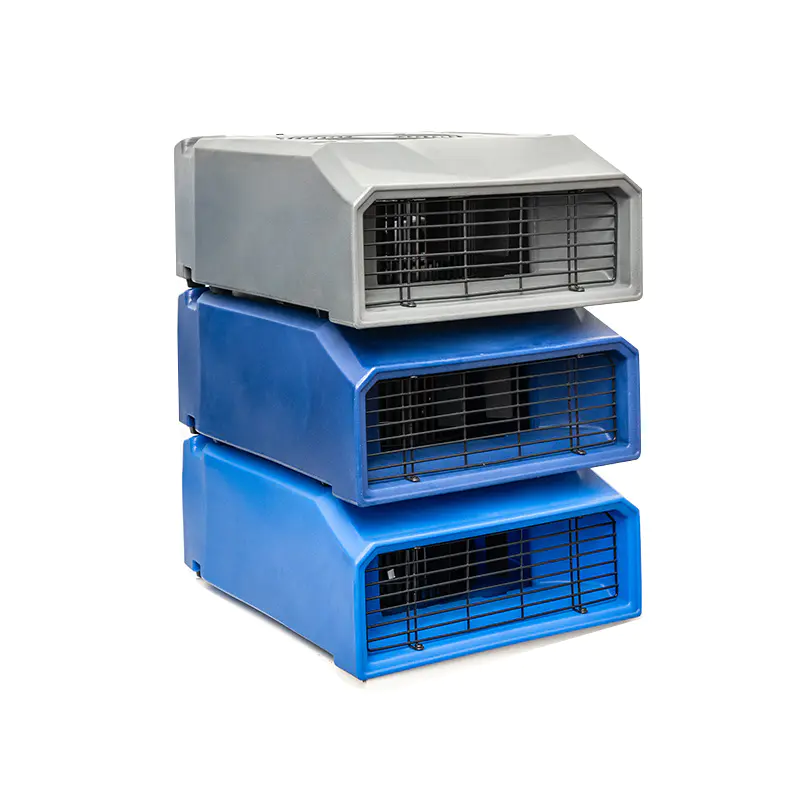
When neither a permanent duct fan nor a fixed exhaust fan is practical, a portable metal blower fan fills the gap. These are high-velocity fans housed in durable steel or aluminum housings, designed for rugged, mobile use without any duct connection required.
A quality portable metal blower fan can move 1,000–3,500 CFM — comparable to or exceeding many fixed installations — while remaining fully portable. Popular models like the Lasko B20401 or the XPOWER P-230AT weigh between 8 and 20 lbs and include carrying handles or wheel bases for easy repositioning.
The metal housing of a blower fan is not merely aesthetic. Steel and aluminum housings withstand temperatures up to 300–400°F (149–204°C), making them safe in environments where plastic housings would warp or off-gas harmful chemicals. Metal fans are also significantly more impact-resistant — critical on active job sites — and typically have a service life of 10–15 years versus 3–5 years for equivalent plastic models under similar conditions.
The right fan depends on three factors: your ventilation goal, the physical setup of your space, and whether a permanent or temporary solution is needed.
Undersizing a fan is the most common mistake in ventilation projects. A fan that's too small for the space runs continuously without achieving adequate air changes, wasting energy and failing to solve the underlying problem.
CFM = (Room Volume in cubic feet × Air Changes per Hour) ÷ 60
For example, a 10×12 ft bathroom with an 8-foot ceiling has a volume of 960 cubic feet. At the HVI-recommended 8 ACH: (960 × 8) ÷ 60 = 128 CFM required. A standard 110 CFM exhaust fan would be marginally undersized; a 130–150 CFM model would be appropriate.
| Application | Fan Type | Recommended CFM | Notes |
|---|---|---|---|
| Small bathroom (≤50 sq ft) | Exhaust fan | 50–80 CFM | Min. 50 CFM per HVI |
| Standard bathroom (50–100 sq ft) | Exhaust fan | 80–130 CFM | 1 CFM per sq ft rule |
| 4×4 grow tent | Duct fan | 200–400 CFM | 1–3 min air exchange |
| Residential duct booster | Duct fan | 150–400 CFM | Match to duct diameter |
| 500 sq ft garage | Exhaust or blower fan | 600–1,000 CFM | 6–10 ACH recommended |
| Water damage drying | Portable metal blower | 1,500–3,000 CFM | Multiple units often used |
Noise and energy use are two practical factors that heavily influence satisfaction with any fan purchase, especially for residential use.
Exhaust fans are measured in sones. A fan rated at 1.0 sone or below is considered quiet for residential use; 0.3–0.5 sone models from brands like Panasonic WhisperCeiling and Broan are virtually silent in operation. Fans rated above 3.0 sones are noticeably loud and generally unsuitable for bedrooms or living areas adjacent to bathrooms.
ENERGY STAR-certified exhaust fans must deliver at least 2.8 CFM per watt. Many premium models, like the Panasonic FV-11VQ5, achieve over 5.0 CFM/watt. For duct fans, EC (electronically commutated) motor models are the most efficient, consuming 20–30% less energy than standard AC motor fans at comparable airflow. Portable metal blower fans are typically the least efficient per CFM — they prioritize power and durability over energy savings — but are only used intermittently, so total energy consumption remains modest.
Installation complexity varies significantly between fan types. Understanding what's involved helps you budget accurately and decide whether DIY or professional installation is appropriate.
The fan market is crowded, but a handful of brands consistently lead in reliability, efficiency, and value across all three categories.
Üç Aşamalı Filtreleme: Hava temizleyici, bir ön filtre (MERV-10), karbon filtre ve H13 HEPA filtre içeren üç aşamalı bir filtreleme sistemine sahiptir. 0,3 mikron kadar küçük parçacıkların %99,97...
Ayrıntıları Gör
AM-B01 Yüksek Hava Hacimli İnce Halı Kurutucuları, halınızın tam ve hızlı bir şekilde kurumasını sağlamak için yüksek hacimde hava akışı üreten güçlü bir motorla donatılmıştır. Bu yüksek hava hacmi...
Ayrıntıları Gör
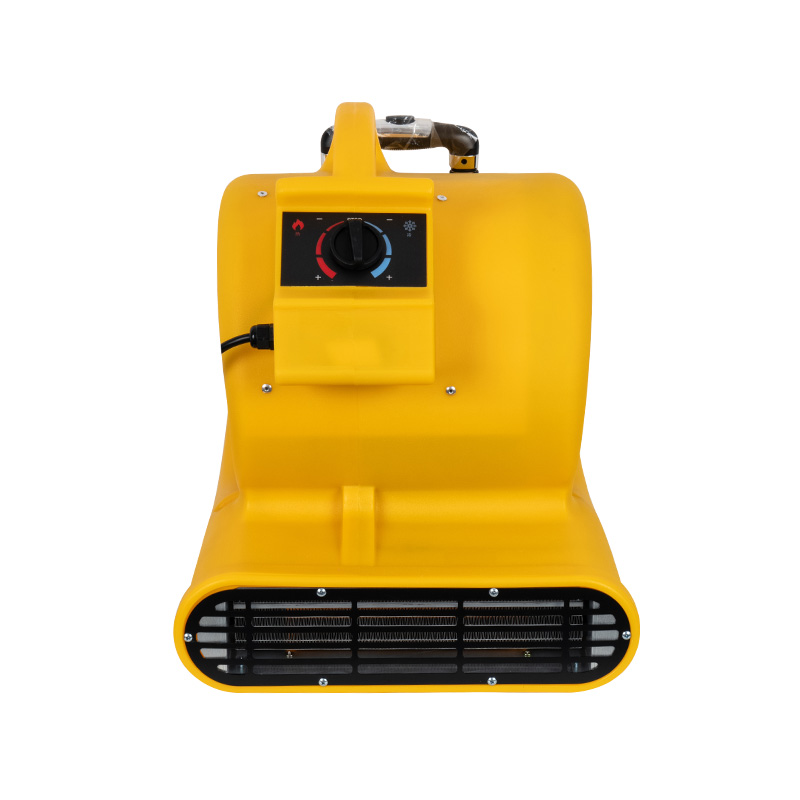
AM-A01 Sıcak ve Soğuk Halı Kurutma Fanları, sıcak ve soğuk havayı kullanarak halı kurutma işlemini hızlandırmak için tasarlanmış çok yönlü ünitelerdir. Sıcak ve soğuk hava sirkülasyonunun avantajla...
Ayrıntıları Gör
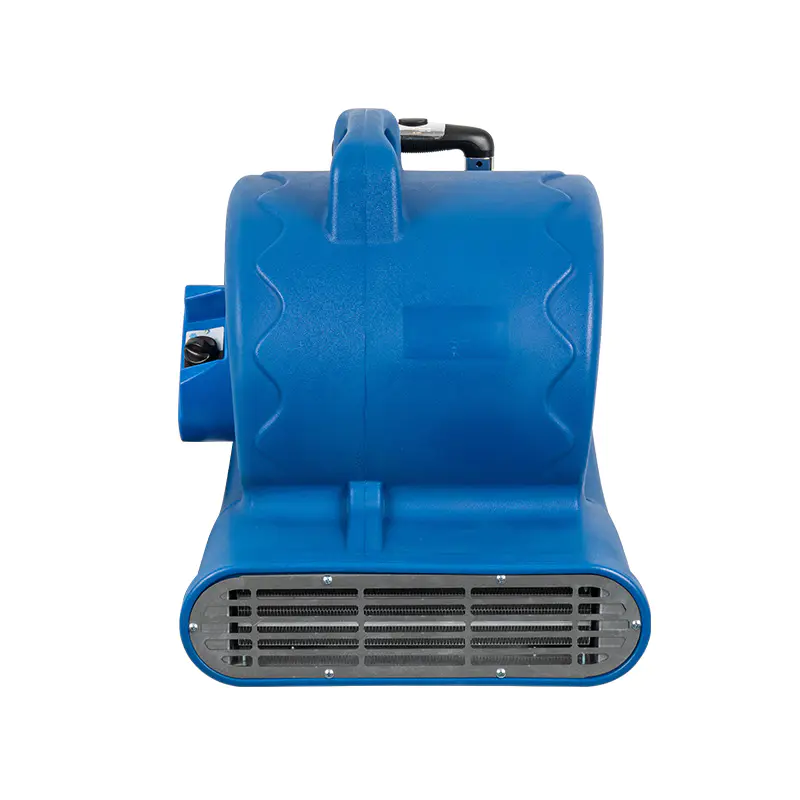
AM-A02 Çok Kanatlı Santrifüj Rüzgar Çarkı Halı Kurutucuları, çok kanatlı santrifüj rüzgar çarkı teknolojisini kullanarak daha hızlı ve daha verimli halı kurutma için rüzgar gücünü ve hava akışını e...
Ayrıntıları Gör
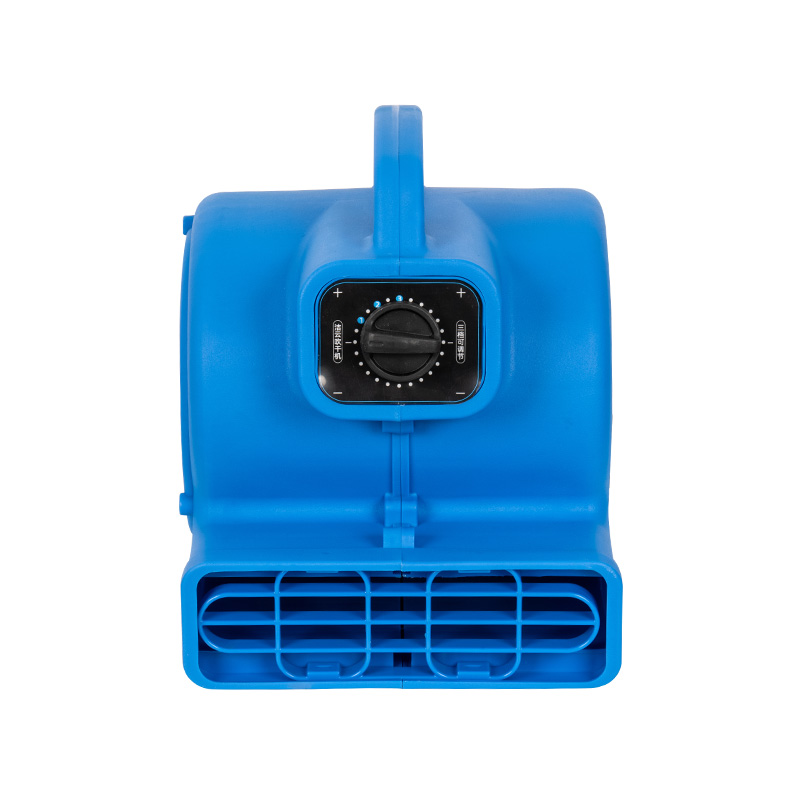
AM-A03 Küçük Eksenel Zemin Halı Kurutucu, daha hızlı yüzey kuruması için santrifüjlü hava taşıyıcıya sahip, oldukça verimli ve çok yönlü bir kurutma ünitesidir. Halıları, zeminleri, mobilyaları, pe...
Ayrıntıları Gör
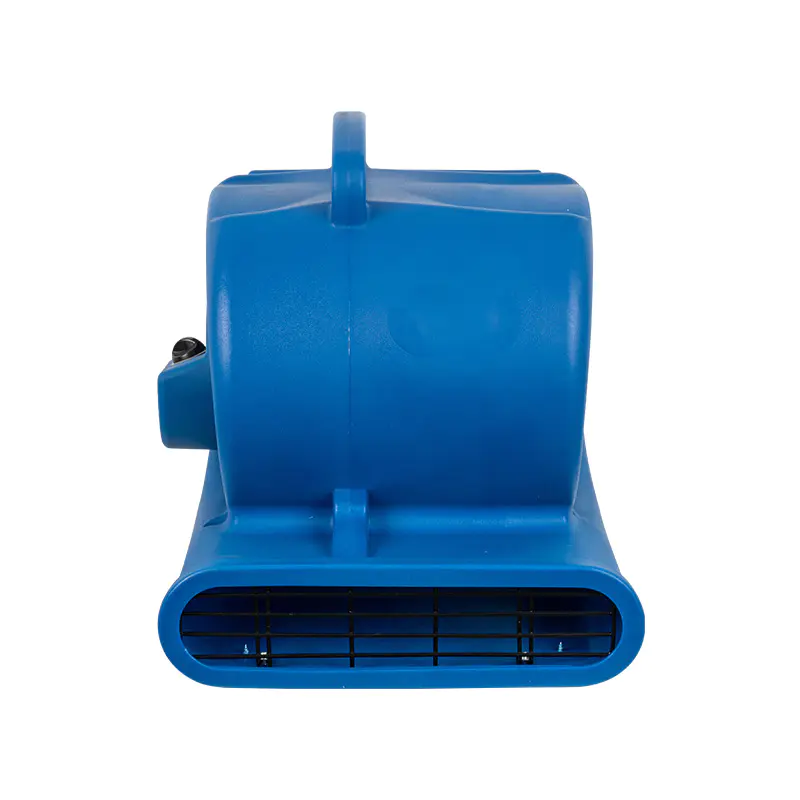
AM-A04 Hafif Taşınabilir Halı Duvar Zemin Kurutucu, daha hızlı yüzey kurutma sonuçları için gelişmiş santrifüj hava hareketi teknolojisine sahiptir. Sadece çok çeşitli halı, zemin, mobilya, pencere...
Ayrıntıları GörMağaza Bilgileri
88, Yuexin Yolu, Sanjiang Caddesi, Shengzhou Şehri, Shaoxing Şehri, Zhejiang Eyaleti, Çin
+86-13819532379
Bağlantılar
Ürünler
Mobil Terminal